

If a friend, coworker, or neighbor has invited you to celebrate Diwali with them, or you've just started noticing string lights and boxes of sweets showing up everywhere in October and November, here's the short version: Diwali is one of the most widely celebrated festivals in the world, and it's built around light, renewal, and generosity — three things that translate pretty easily across any culture, once you know what you're looking at.
Here's what it actually means, what happens over the five days, and how to join in if you're new to it.
The Story Behind Diwali
Diwali — also called Deepavali — is often described as the "festival of lights," and that's not just decoration talk. The name itself comes from a row of lamps (diyas) lit to mark the occasion. One of the most widely known stories behind the festival is the return of Lord Rama to his kingdom of Ayodhya after 14 years of exile, welcomed home by rows of lamps lighting his path in the darkness. At its core, the festival represents the same idea across its many regional stories and traditions: light overcoming darkness, and good overcoming evil.
Diwali is celebrated by Hindus, Jains, Sikhs, and some Buddhist communities, each with their own layer of meaning added to the holiday — which is part of why it's observed so widely and in slightly different ways depending on the community and region.
The Five Days of Diwali
Diwali isn't just one night — it's the centerpiece of a five-day stretch of celebration, with each day carrying its own significance:
- Dhanteras — the festival's opening day, associated with prosperity and often marked by purchasing gold, silver, or new kitchenware.
- Choti Diwali (Naraka Chaturdashi) — the day before the main event, involving cleaning, decorating, and preparing for the celebration ahead.
- Diwali (Lakshmi Puja) — the main day, centered on lighting diyas, prayers to Lakshmi (the goddess of prosperity), fireworks, and the biggest gathering of family and food.
- Govardhan Puja — a day of thanksgiving, particularly significant in North Indian traditions.
- Bhai Dooj — a celebration of the bond between siblings, closing out the festival.
Diwali 2026 falls on Sunday, November 8th, with the surrounding days of the festival falling in the days immediately before and after.

Common Traditions You'll See
A few things show up across almost every Diwali celebration, regardless of region or community: diyas (small oil lamps) and string lights lining homes and windowsills, rangoli (colorful patterns made from powder, flowers, or rice) at doorways, new clothes, fireworks, and — the part most relevant to your growling stomach — a serious amount of food and sweets. Homes are cleaned and decorated in the days leading up to it, in the same spirit as the "fresh start" energy of New Year's, just with a lot more lighting involved.
What People Eat During Diwali
Sweets, generally referred to as mithai, are at the center of Diwali the way certain desserts anchor other major holidays. Exchanging boxes of mithai between family, friends, and neighbors is one of the most consistent traditions across the festival — it's less about the specific sweet and more about the gesture of sharing something indulgent during a celebration of prosperity and renewal. If you want to see what's typically included, our post on Diwali sweets to try breaks down some of the most popular options.
If You're Invited to a Diwali Celebration
Showing up with a box of mithai is one of the simplest, most appreciated gestures you can make — it shows you understand the spirit of the occasion without needing to know every tradition by heart. You don't need to overthink it: a well-made assorted sweets box covers the bases nicely. Our guides on choosing the right Diwali gift box and what to send when you can't be there in person can help if you want to bring or send something thoughtful.
Frequently Asked Questions
What does Diwali actually celebrate? At its core, the victory of light over darkness and good over evil — most commonly tied to the story of Lord Rama's return to Ayodhya, though different communities and regions celebrate it with their own traditions and significance.
How long does Diwali last? Five days, starting with Dhanteras and ending with Bhai Dooj, with the main celebration (Lakshmi Puja) falling in the middle of that stretch.
What should I bring if I'm invited to a Diwali celebration? A box of Indian sweets (mithai) is the most universally appreciated gesture — it doesn't need to be elaborate, just thoughtful.
Is Diwali only celebrated in India? No — Diwali is celebrated by Hindu, Jain, Sikh, and some Buddhist communities around the world, including large celebrations across the diaspora in the U.S., U.K., and beyond.
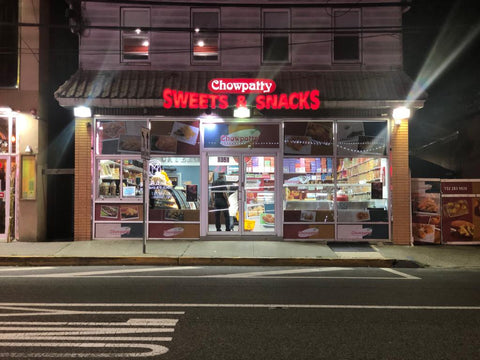
Curious what to actually gift or bring? Browse our Diwali Gift Boxes or read more about our family's three generations making Indian sweets in New Jersey.


Comments (0)
There are no comments for this article. Be the first one to leave a message!